
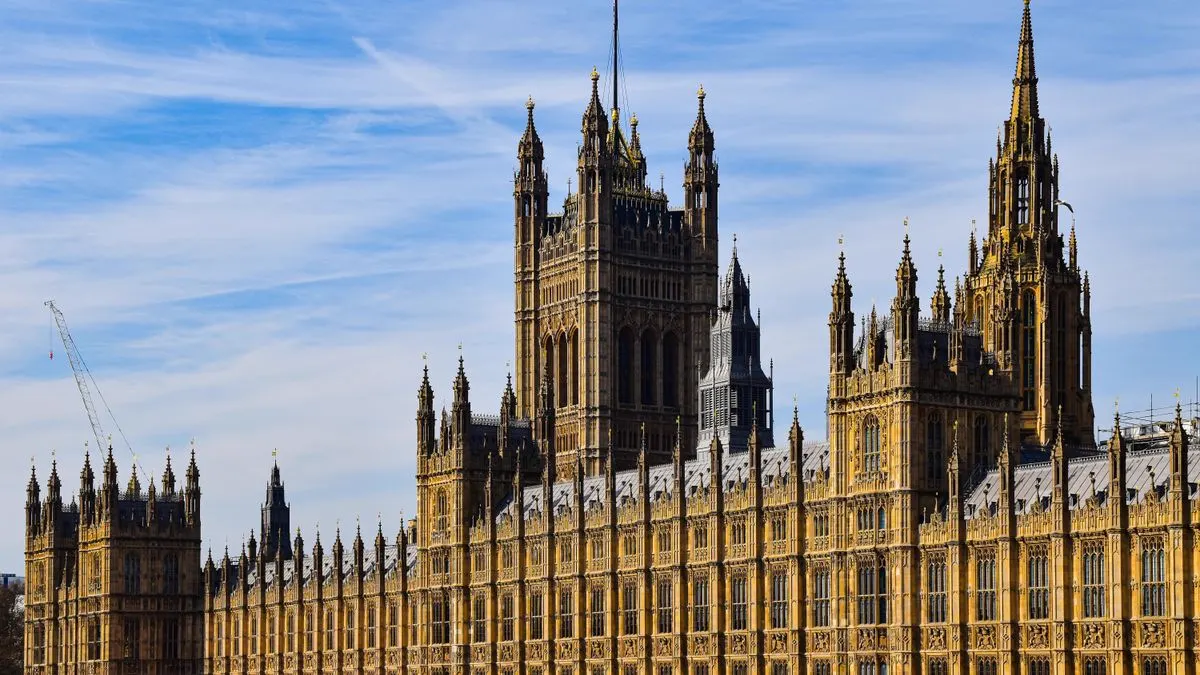
Photo: AXP Photography / Pexels
ProposalParliamentary recommendation, not law.
Could Gambling Advertising Be Banned in the UK? What the Lords’ Proposal Means
A House of Lords committee has recommended a comprehensive ban on gambling advertising in Great Britain, calling it the most effective way to reduce gambling harm. The recommendation appears in the report Gambling Harm—Time for Action: Follow-up report, published by the Lords Liaison Committee on 17 September 2026. [1][2]

The report is a recommendation to the government, not a change in the law. Gambling advertising remains legal and regulated under the current rules until the government decides otherwise, but the proposal would reshape how betting companies, online casinos, broadcasters and sports clubs reach customers if it were adopted.
What did the Lords recommend?
The Liaison Committee follows up the work of earlier special inquiry committees. This report revisits the July 2020 report of the Lords' Gambling Industry Committee, which called for a public-health approach to gambling harm, and concludes that its advertising recommendations have been largely left unaddressed. [1]
Its central finding is that a comprehensive ban on gambling advertising is the most effective policy option for meeting the government's own aim of reducing gambling harm, and a vital part of a public-health approach. The committee also says governments have been "far too passive" in responding to the explosion of digital advertising and to techniques such as content marketing, which blurs the line between advertising and editorial content and appeals strongly to children. [1]
Lord Ponsonby of Shulbrede, who chairs the Liaison Committee, said six years had passed since the original report and that "substantial developments in the gambling advertising landscape since 2020" demanded a fresh look at the policy options. [1]
The evidence behind it
The committee estimates that between 1.0 and 1.5 million adults in Great Britain gamble in a way that may be described as problem gambling, with harms ranging from debt and relationship breakdown to mental ill health and, at the extreme, suicide. It notes that the industry relies heavily on a small share of higher-spending customers and earns disproportionate profits in deprived areas. [1]
Advertising has grown with it. Before the Gambling Act 2005, only bingo, the football pools, the National Lottery and other permitted lotteries could advertise on television and radio. Today the industry spends more than £1 billion a year on advertising, and several other countries have introduced significant restrictions, leaving Great Britain, in the committee's words, a comparative outlier. [1]
Lord Foster of Bath, the former committee's acting chair, argued that a ban would shrink rather than grow the gambling sector, and pointed to a study by the Sheffield Centre for Health and Related Research estimating that a 10% cut in gambling spending could add £1.25 billion in gross value added and create more than 22,000 jobs as money moves to other parts of the economy. [1]
What the ban would and would not cover
The proposal is not a ban without exceptions. The committee repeats the 2020 recommendation that on-course advertising for betting on horseracing and greyhound racing should be exempt, and asks the government to assess how risky lottery advertising is before deciding whether it should be covered. [1]
It also sets out detailed rules for gambling advertising in case the government rejects a comprehensive ban, or as a transition towards one. And it rejects the industry argument that curbing advertising by licensed operators would push customers to the black market: stronger action against unlicensed gambling is needed, the committee says, but concerns about the illegal market must not become a barrier to tackling harm caused by the licensed sector. [1]
Is a gambling advertising ban now in force?
No. The report does not change the Gambling Act or the advertising rules that licensed operators follow today. The government now has to respond, and it can accept, modify or reject the recommendations. Any ban would need legislation or new regulatory rules, most likely after consultation, and the final version could look quite different from the committee's proposal.
What could change in practice
A comprehensive ban would reach well beyond television. Paid search, display and social-media campaigns, shirt and stadium sponsorship, and bonus-led promotions could all be affected, depending on how the rules define advertising. Whether editorial and informational content is treated differently from direct promotion would also depend on the final wording.
What this means for UK players
Nothing changes for players today. Existing licences, account protections and safer-gambling tools stay as they are. If the government acts on the report, players would eventually see far fewer gambling adverts, fewer sponsorship deals and tighter rules on sign-up offers.
A heavily advertised brand is not the same as a licensed one, so it remains worth checking who licenses an operator for the UK market before depositing. The next milestone is the government's formal response to the committee.
If gambling is becoming a problem, the blocking, deposit-limit and self-exclusion tools are the fastest way to put distance between you and the next bet.
Sources
More news

Hannah Whitmore
Hannah Whitmore writes about online casinos from a player's practical point of view: who operates a site, what a bonus really requires, which payment methods appear in the cashier, and what happens between requesting a withdrawal and receiving the money. Her reviews draw on PlayFrankCasino's own account research — registrations, terms checks, deposits and withdrawals — and she keeps an operator's advertised payout target separate from a measured result. She enjoys testing slot features and bonus-buy slots in demo mode, and is currently learning blackjack basic-strategy charts and how betting systems such as Martingale and Paroli work. She also covers UK casino news and writes PlayFrankCasino's guides to wagering, withdrawals, verification, cashback and safer gambling.