


Photo: Adrian Schmidt / Pexels
InvestigationOngoing German investigation; no conviction established.
German Authorities Target Alleged €5.86bn Illegal Gambling Network
German prosecutors have moved against an alleged unlicensed online gambling network after an investigation that ran covertly for more than three years. Five suspects are accused of offering online gambling, mainly virtual slots, commercially and as an organised group since at least July 2021 without the licence German law requires. [1][4]

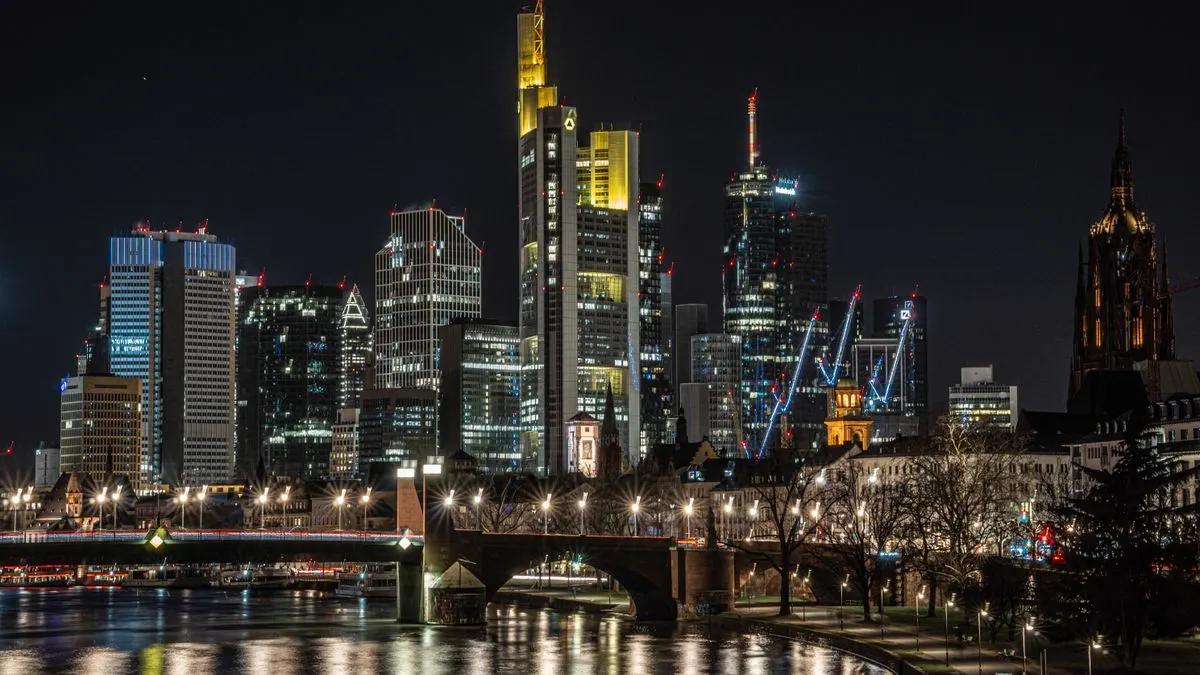
On 8 September 2026 more than 100 officers and investigators searched 11 residential and commercial properties, mainly in Frankfurt and the wider Rhine-Main area and also in Cologne. One principal suspect was arrested under a warrant from the Frankfurt District Court. The Frankfurt Public Prosecutor's Office led the operation with the Frankfurt tax investigation unit, North Rhine-Westphalia's state office for combating financial crime and Frankfurt police. Prosecutors have not named the suspects or the websites involved. [1][3][4]
According to the prosecutors, the platforms processed around €5.86 billion in stakes between July 2021 and the end of 2023. The suspects are also accused of failing to pay gambling taxes in full, with the tax loss for 2024 alone estimated at about €77.6 million. [1][4]
The authorities enforced an asset-freezing order worth about €82 million, seized several high-value vehicles and froze a number of bank accounts. These are investigative measures, not a confiscation ordered by a court.
What does €5.86bn actually mean?
The figure is total stakes, not profit. On a slot, the same money is staked, paid back out as winnings and staked again many times, so turnover runs far higher than what players actually lose or what the operator keeps. Stakes, gross gaming revenue, profit and the tax owed are four different numbers.
The scale is still striking. Spread over the 30 months, it averages about €2.34 billion a year. Germany's entire legal online slots market took roughly €4.57 billion in stakes in 2025, so this one alleged operation handled a volume equal to more than half of it. [4]
What does the case say about Germany’s black market?
The raids have reopened a dispute over how large Germany’s illegal online gambling market really is. The regulator GGL’s 2025 activity report put the unlicensed share of online gross gaming revenue in 2024 at 23%, or €547 million. Industry figures based on Nielsen data put it at around 56%. [4][5]
Both associations of licensed operators welcomed the raids. The sports-betting association DSWV said the findings should prompt a thorough reassessment of official estimates of the black market. The online casino association DOCV said the figures from the investigation do not fit the regulator’s estimates, and called for a nationwide licensing model for online casino games. [4][5]
The GGL itself has since asked for more direct powers. In an interview with the Mitteldeutsche Zeitung, reported on 23 September, Co-President Ronald Benter said the rules in Germany’s Interstate Treaty on Gambling are very detailed and slow to change, while the illegal market is very dynamic. He urged prosecutors to open more proceedings against people abroad who target German players without a licence, something he said has so far almost never happened. The GGL says it supports prosecutors with intelligence from its payment-blocking and network-blocking cases. [6]
The raids came in the same week as the annual meeting of the German-speaking gambling regulators of Germany, Austria, Switzerland and Liechtenstein (DACHL) in Bern on 9 and 10 September. The regulators named illegal online gambling as the greatest current challenge for gambling supervision and agreed to deepen their cross-border cooperation. [7]
Why the case matters to UK players
For British players, the lesson is that a polished online casino can be anything from a licensed operator to a large illegal business. Before depositing, check which regulator licenses the site, who operates it and how withdrawals and complaints work. Unusually high limits and minimal verification can be signs that a site is outside any regulated framework.
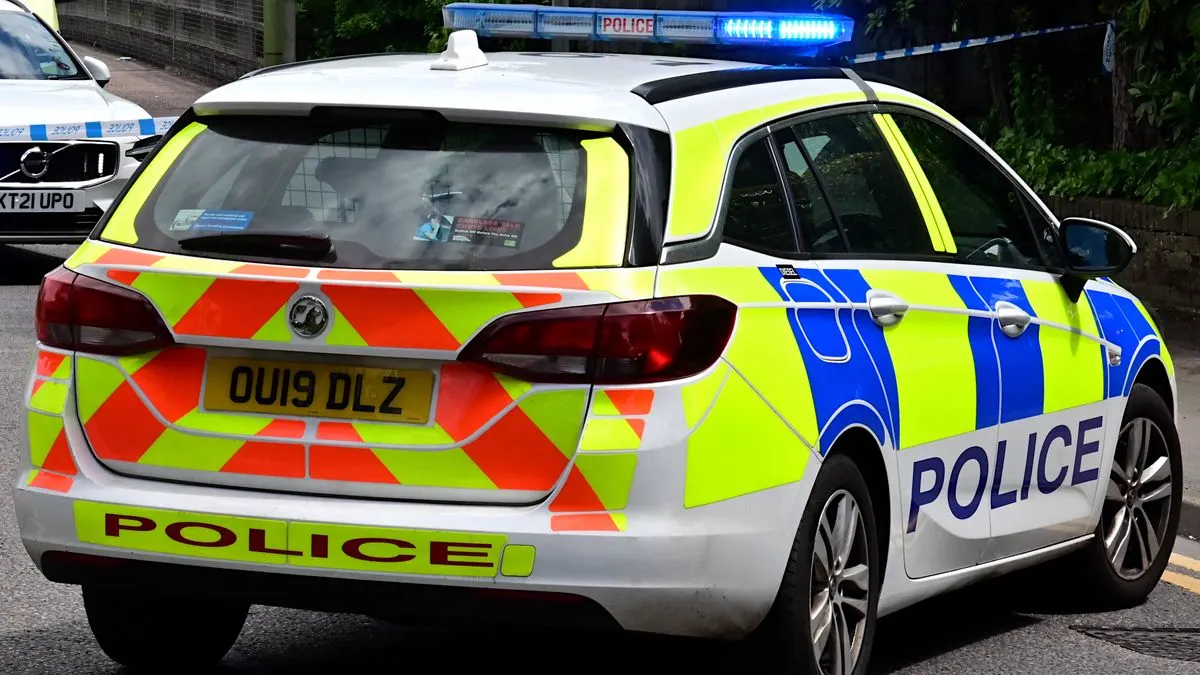
The German case is unrelated to recent UK enforcement. In Manchester, a joint operation by Greater Manchester Police, the Gambling Commission and Manchester City Council led to four arrests and the seizure of more than £20,000 in cash. [2] Both cases reflect the same concern among regulators: that illegal gambling often overlaps with wider financial crime.
What happens next?
The investigation may lead to charges and a trial. Until then the allegations remain unproven and the suspects are presumed innocent.
If gambling is affecting your finances or wellbeing, stop playing and seek support. An unlicensed site is never a way around self-exclusion or account limits.
Sources
- Tagesschau: Nearly €6bn processed through alleged illegal online gambling
- Gambling Commission: Four arrests and £20,000 seized in illegal gambling raids
- Focus Gaming News: Coordinated raids target illegal online gambling operation in Germany
- Casino.org: €5.86B German illegal casino bust challenges black-market estimates
- iGaming Business: German law enforcement raids suspected €5.8bn illegal online gambling ring
- SBC News: GGL calls on direct powers to combat black market gambling
- Swiss Federal Gaming Board (ESBK): DACHL meeting in Bern strengthens cooperation against illegal gambling (in German)
More news
Hannah Whitmore
Hannah Whitmore writes about online casinos from a player's practical point of view: who operates a site, what a bonus really requires, which payment methods appear in the cashier, and what happens between requesting a withdrawal and receiving the money. Her reviews draw on PlayFrankCasino's own account research — registrations, terms checks, deposits and withdrawals — and she keeps an operator's advertised payout target separate from a measured result. She enjoys testing slot features and bonus-buy slots in demo mode, and is currently learning blackjack basic-strategy charts and how betting systems such as Martingale and Paroli work. She also covers UK casino news and writes PlayFrankCasino's guides to wagering, withdrawals, verification, cashback and safer gambling.